


What Can Thousands of Team Building Events Teach Us?
Since 2002, we’ve had the opportunity to organize team-building events for organizations of all sizes across North America, South America, Asia, Australia, and New Zealand.
We’ve worked with small teams of ten people and large conferences with hundreds of participants. We’ve seen newly formed teams, long-established departments, remote employees meeting in person for the first time, and leadership groups looking to strengthen collaboration.
Over the years, one question comes up regularly:
“What have you learned from running so many team-building events?”
The answer is simple.
While every organization is different, the challenges teams face are surprisingly similar. More importantly, the solutions are often simpler than people think.
Here are some of the biggest lessons we’ve learned from thousands of team-building events around the world.
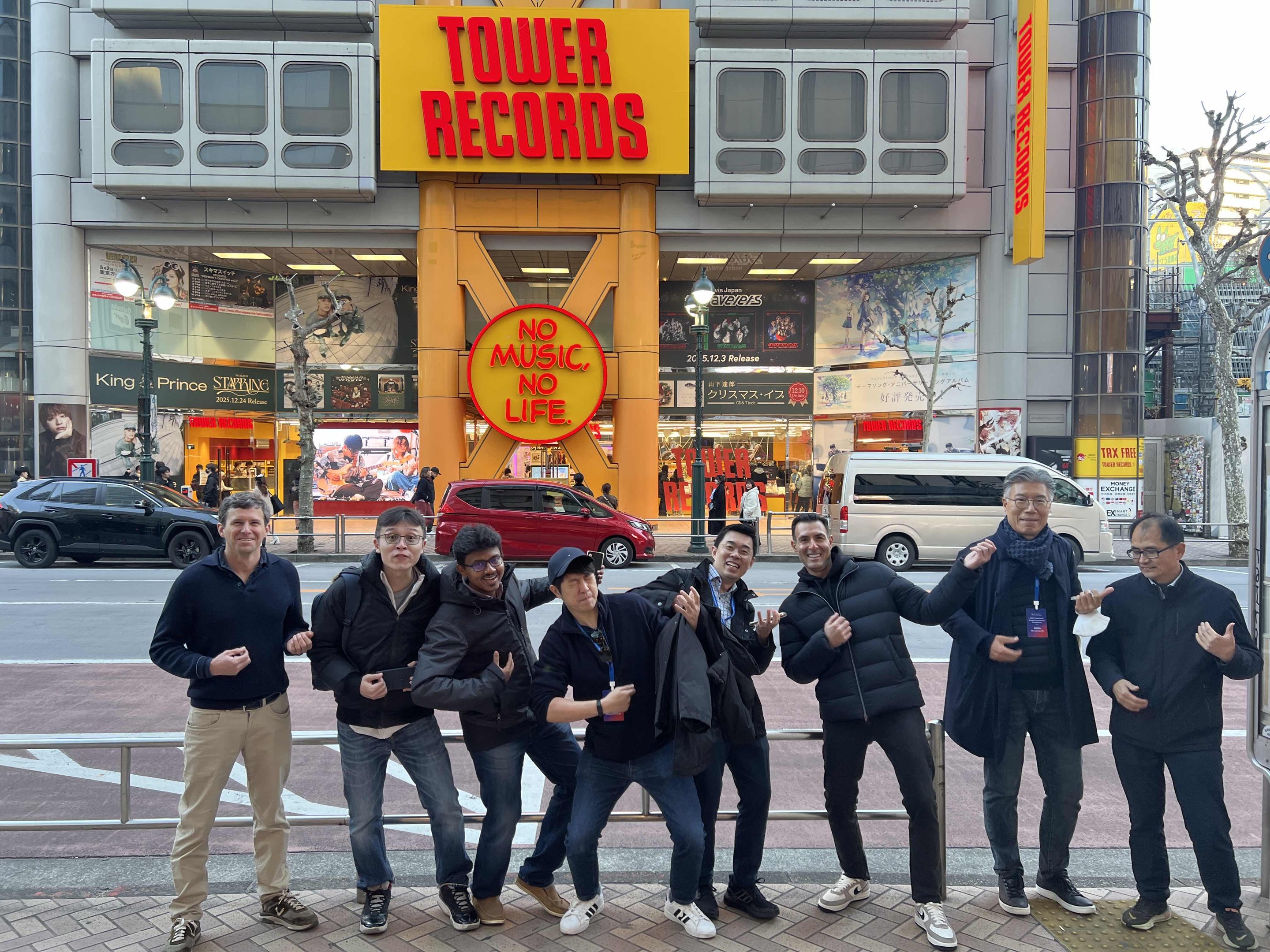
Lesson #1: People Want Genuine Connection
Many organizations assume employees primarily attend team-building events for entertainment.
While people certainly enjoy having fun, what they often value most is the opportunity to connect with colleagues outside of their normal work environment.
In a typical workday, conversations are often task-focused.
Projects.
Deadlines.
Meetings.
Emails.
Team-building events create opportunities for different conversations to happen.
People discover shared interests. They learn things about coworkers they never knew. They begin to see one another as people rather than simply job titles.
The strongest teams are rarely built through formal meetings alone.
They’re built through human connection.
Lesson #2: Communication Problems Are Usually Team Problems
When companies tell us they want to improve teamwork, the root issue is often communication.
Departments aren’t sharing information effectively.
Team members aren’t aligned on priorities.
Important details are getting lost.
The good news is that communication is a skill that improves with practice.
Activities that require participants to solve problems together naturally encourage better communication habits.
One thing we’ve consistently observed is that teams that communicate effectively almost always outperform teams that don’t, regardless of individual talent levels.
Lesson #3: The Loudest Team Doesn’t Always Win
Before many events begin, participants often predict which team will win.
The assumptions are usually the same.
The most outgoing group.
The most competitive group.
The group with senior leaders.
But reality often tells a different story.
We’ve seen countless examples where quieter, more organized teams outperform groups that appear stronger on paper.
Success is rarely determined by who talks the most.
It’s usually determined by who listens, collaborates, and adapts the best.
This lesson applies just as much in the workplace as it does during a team-building event.
Lesson #4: Shared Experiences Build Trust Faster Than Meetings
Trust is one of the foundations of every successful team.
The problem is that trust takes time to build.
Or does it?
What we’ve noticed over the years is that trust develops much faster when people experience challenges together.
When teammates solve problems, overcome obstacles, and celebrate successes together, relationships evolve naturally.
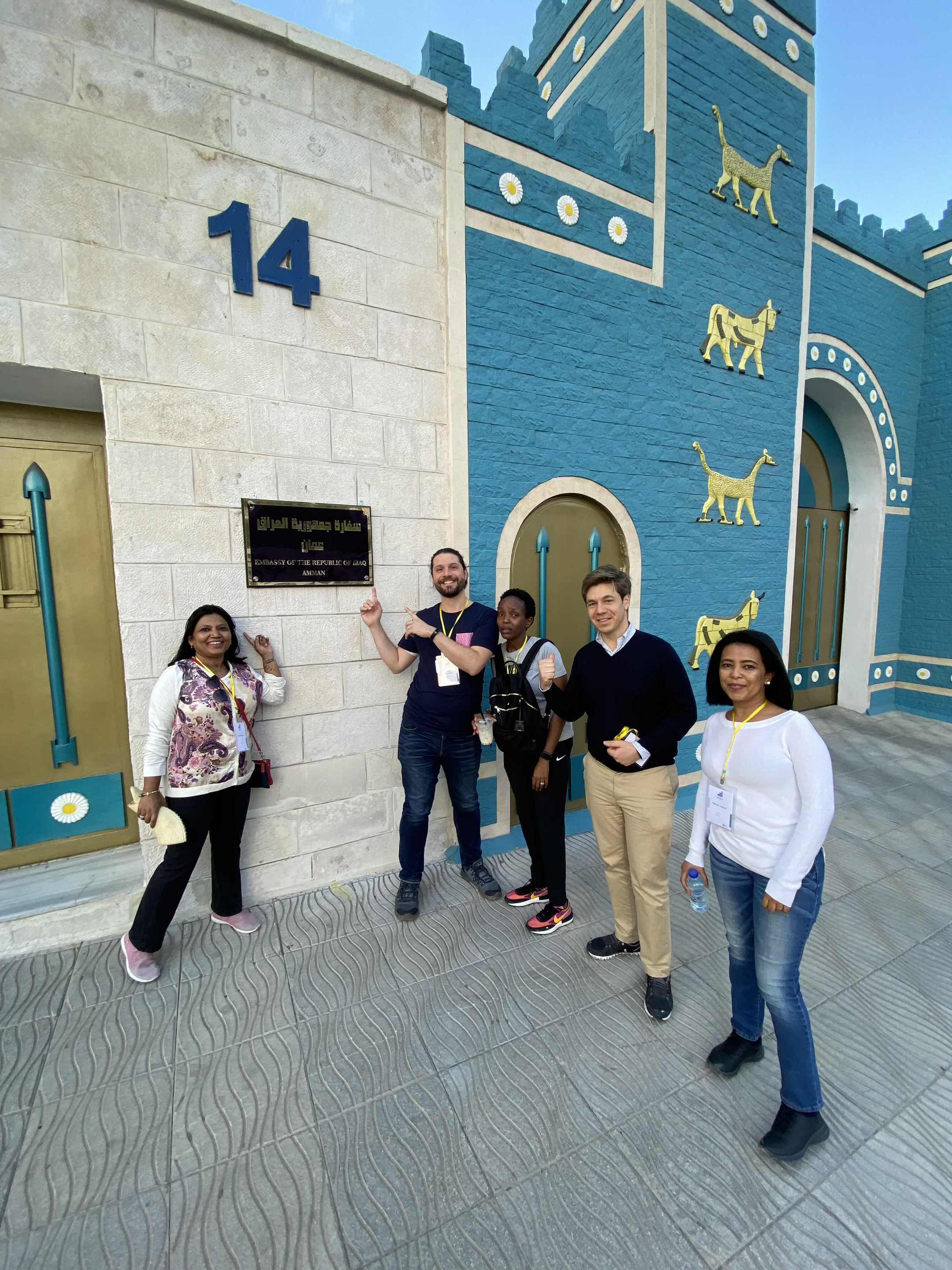
A two-hour team-building activity can sometimes create more meaningful interaction than weeks of regular workplace communication.
This doesn’t replace everyday teamwork, but it can accelerate the relationship-building process significantly.
Lesson #5: Fun Has Business Value
Some organizations still view fun as separate from work.
However, experience has taught us the opposite.
When employees enjoy an experience, they tend to engage more fully.
They’re more willing to participate.
More willing to communicate.
More willing to collaborate.
This doesn’t mean team building should focus exclusively on entertainment.
Rather, enjoyment acts as a catalyst that makes learning, networking, and relationship-building easier.
People rarely perform their best when they feel disconnected or disengaged.
Lesson #6: Every Team Has Hidden Strengths
One of the most rewarding aspects of team-building events is watching participants discover abilities they didn’t know their colleagues possessed.
The quiet employee who notices every detail.
The new team member who emerges as an excellent leader.
The analytical thinker who solves a challenge everyone else overlooked.
Traditional workplace settings don’t always allow these strengths to surface.
Team-building activities often reveal talents that might otherwise remain hidden.
For managers and team leaders, these moments can be incredibly valuable.

Lesson #7: Competition Works Best When It’s Friendly
People generally enjoy competition.
Competition adds energy, excitement, and motivation to an event.
However, the most successful team-building experiences aren’t about defeating others.
They’re about challenging yourself while working together toward a common goal.
Friendly competition encourages participation without creating unnecessary pressure.
That’s often where the greatest value is found.
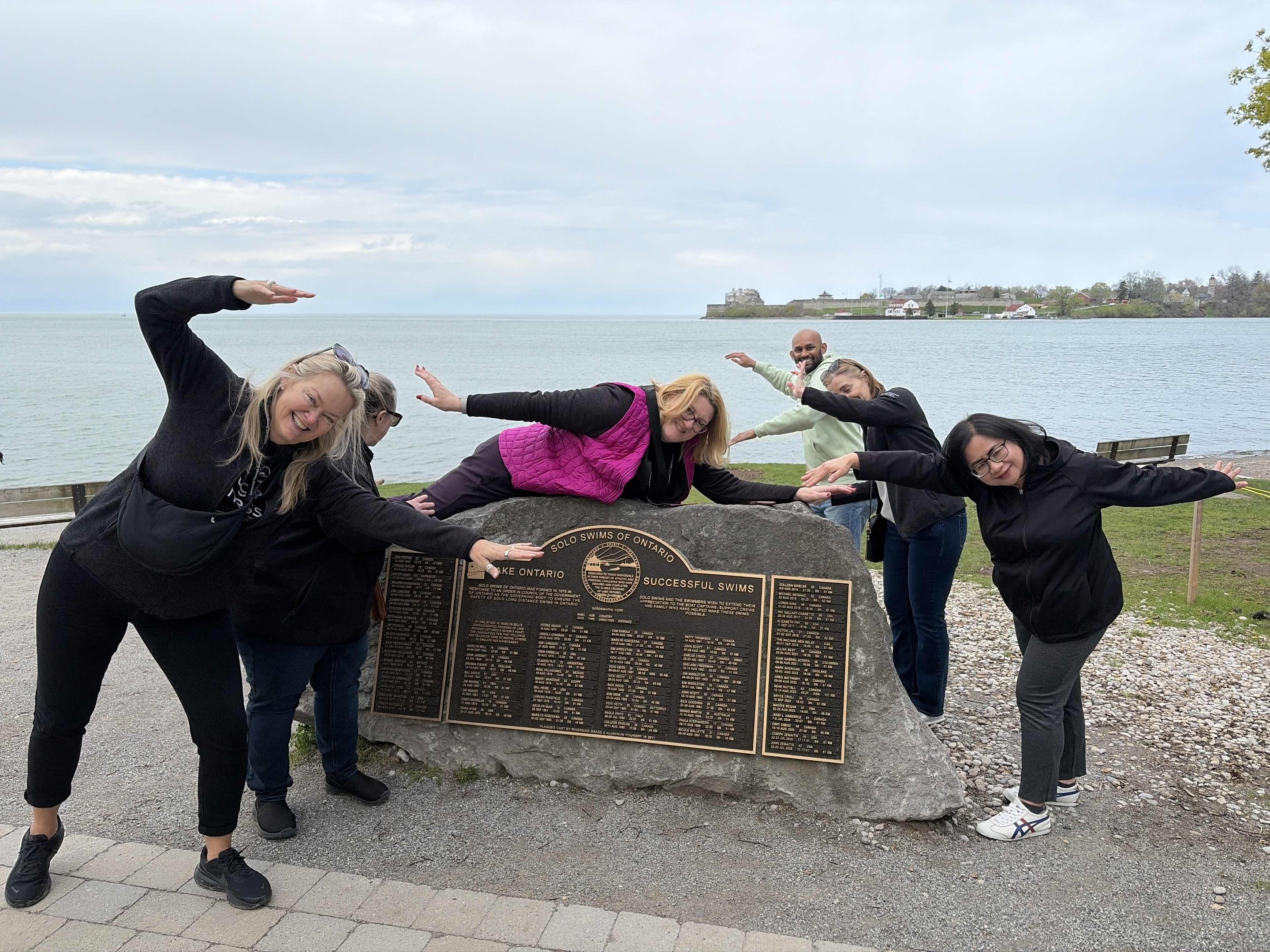
Lesson #8: People Remember Experiences, Not Agendas
Ask someone to recall a conference agenda from three years ago.
They’ll probably struggle.
Ask them about a memorable experience they shared with colleagues.
They’ll likely tell you the story in great detail.
Human beings are wired to remember experiences.
This is one reason experiential team-building activities often create such lasting impact.
The memories formed during shared experiences become part of the team’s story.
And stories are powerful.
Lesson #9: Team Building Is Not Really About Activities
After thousands of events, this may be the biggest lesson of all.
Team building isn’t actually about scavenger hunts, workshops, escape rooms, or games.
Those are simply vehicles.
The true purpose of team building is creating opportunities for people to connect, communicate, and collaborate.
The activity matters.
But the relationships that develop during the activity matter much more.
Organizations that understand this tend to see the greatest long-term value from their team-building efforts.
What These Lessons Mean for Your Team
If there’s one takeaway from thousands of team-building events, it’s that strong teams aren’t built by accident.
They’re built through shared experiences.
Through communication.
Through trust.
Through collaboration.
And through opportunities for people to see one another as more than coworkers.
Whether your organization is planning a conference, retreat, employee appreciation event, or company-wide gathering, the most successful activities are often those that bring people together in meaningful and memorable ways.
Final Thoughts
After more than two decades and thousands of team-building experiences worldwide, we’ve learned that the fundamentals of teamwork remain remarkably consistent.
People want connection.
Teams need trust.
Communication matters.
And shared experiences have the power to strengthen relationships in ways that traditional workplace interactions often cannot.
While technology, workplaces, and team structures continue to evolve, these principles remain unchanged.
That’s why organizations around the world continue investing in experiences that bring people together.
Because at the end of the day, great teams aren’t built solely through processes and systems.
They’re built through people.
Looking to create a memorable team-building experience for your organization? Contact Scavenger Hunt Anywhere to learn how our customized scavenger hunts help teams connect, collaborate, and build stronger relationships worldwide.