

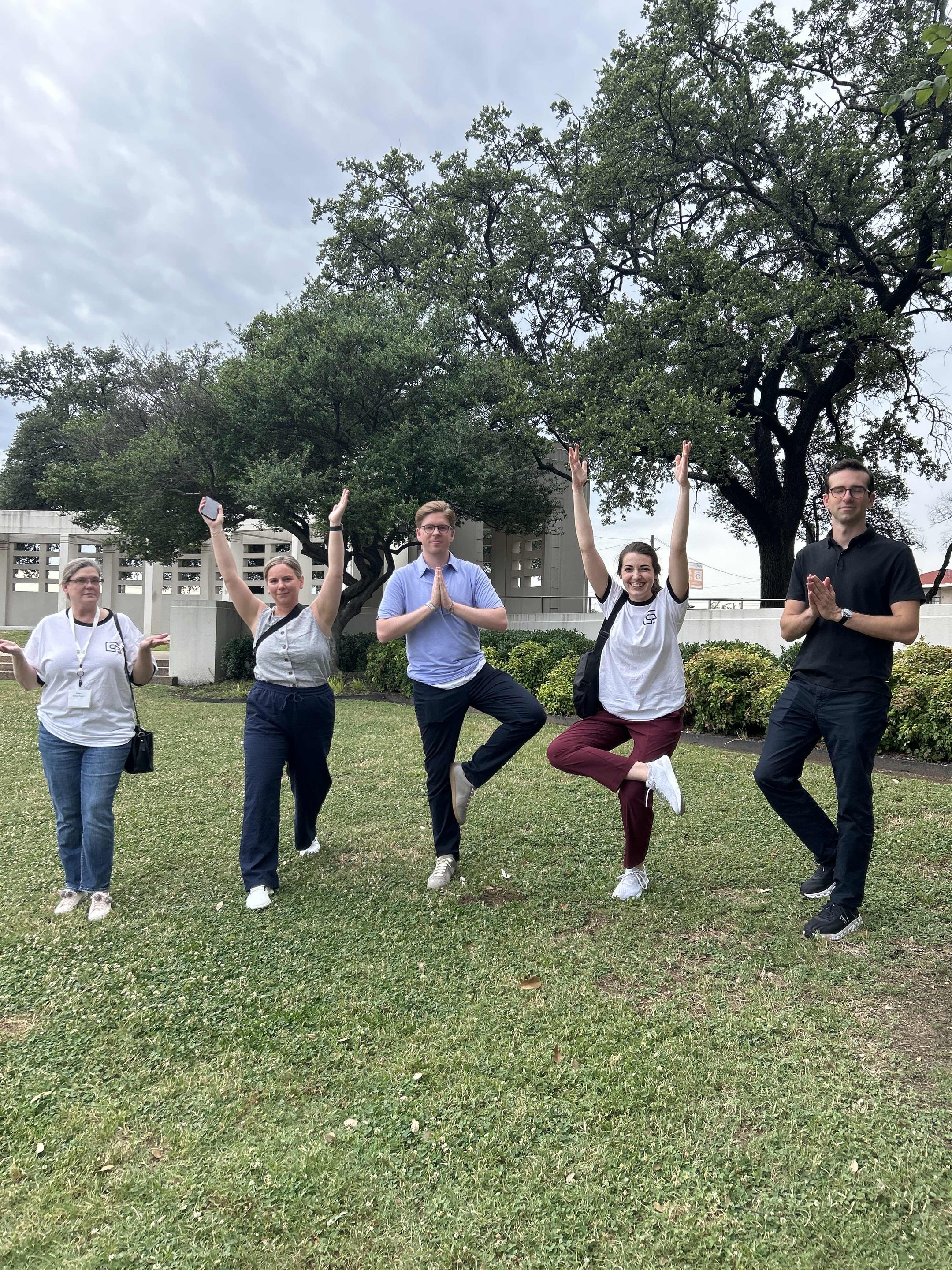
After more than 20 years of running team building events for companies of every size, industry, and culture, certain patterns become impossible to ignore. Some events are still talked about years later. Others are quietly forgotten by the next morning. The difference rarely comes down to budget, location, or how “creative” the idea sounded in a planning meeting.
Here are the clearest lessons we’ve learned.
The Skill-Gap Mistake
One of the most common mistakes companies make is choosing activities they think people will enjoy, without considering that those activities require uneven skill levels.
Golf, bowling, competitive sports, cooking challenges that favor experienced cooks, trivia that rewards general knowledge, these all sound fun on paper. In practice, they split the room. A few people dominate, a few people feel embarrassed or checked out, and the rest hover somewhere in the middle hoping it ends soon. The activity creates winners and losers instead of a shared experience.
The activities that consistently work best are the ones where skill is almost irrelevant. No one is “good” or “bad” at a well-designed scavenger hunt. People of different personality types, ages, and comfort levels can all contribute and enjoy themselves. The playing field stays level, which is what most teams actually need.
Why Some Events Become Unforgettable
The events people remember for years are almost always the ones that create a genuine shared experience. When everyone is in it together, laughing at the same moments, solving the same problems, reacting to the same surprises, the activity stops feeling like a corporate obligation and starts feeling like something the group did as a group.
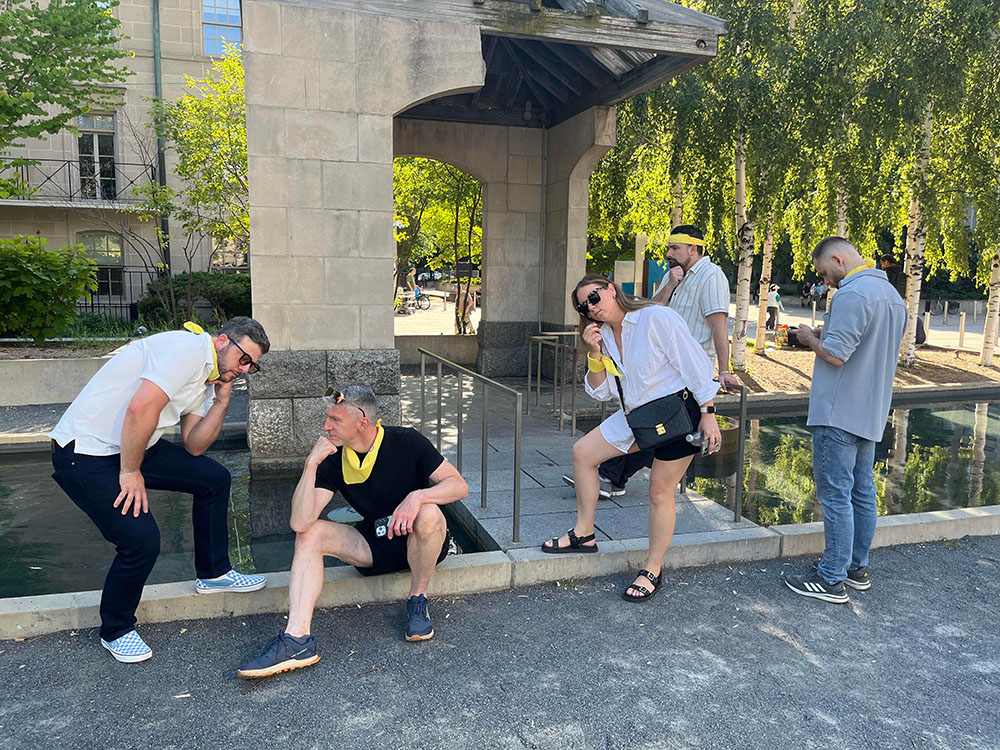
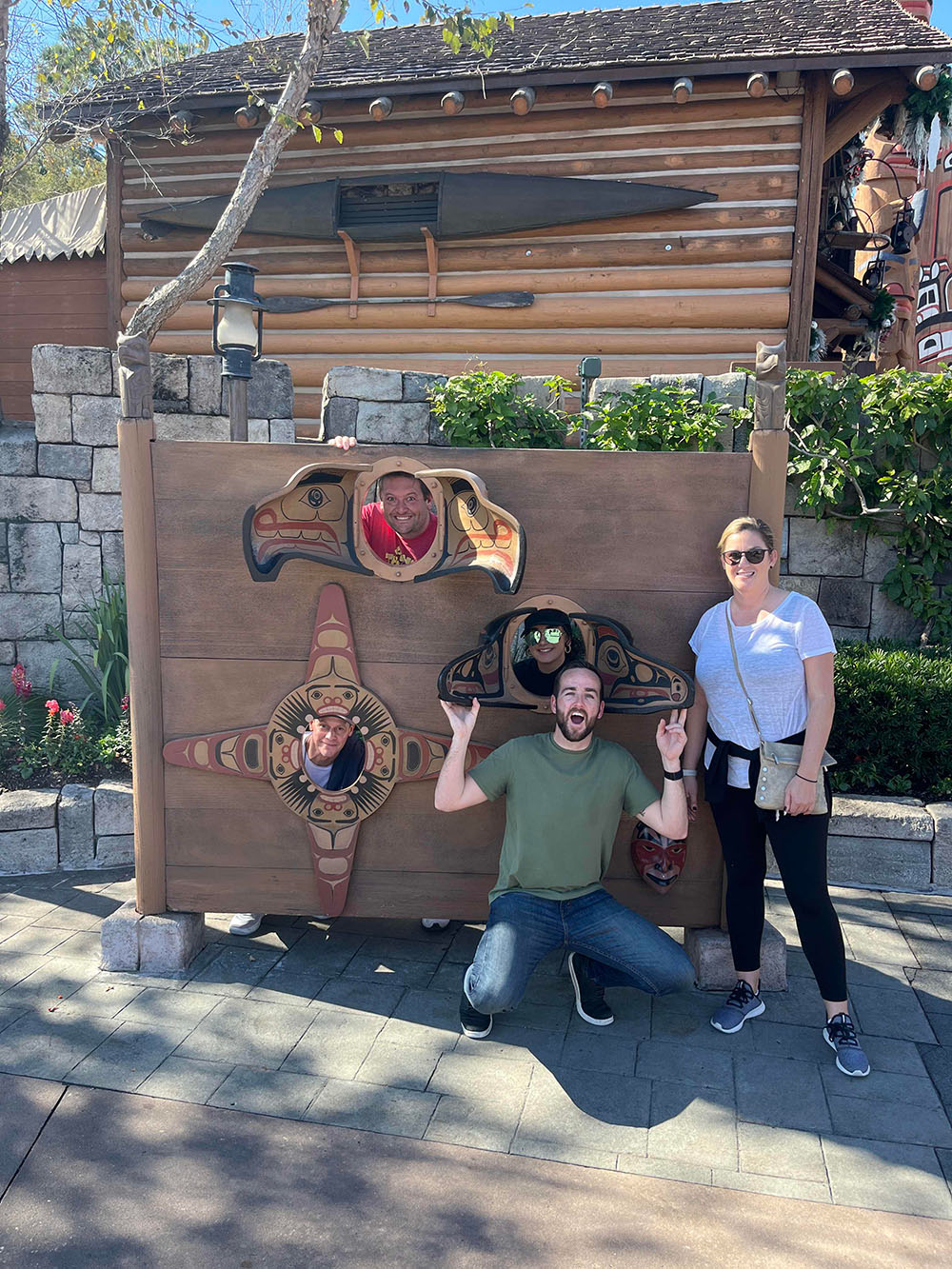
There’s a simple signal we look for: if participants are pulling out their phones and taking pictures the whole time, the event is usually working. Those photos become the lasting memory. People share them in Slack, print them, or dig them up years later when someone leaves or the team reunites. The activity itself fades; the proof that they were all there together remains.
Why Others Flop
Activities that push people significantly outside their comfort zone often underperform when the goal is simply fun and relationship-building. Some people thrive on high-stakes challenges, public performances, or physical risk. Many others do not. When the mood you’re trying to create is relaxed connection rather than personal growth through discomfort, forcing that discomfort tends to work against you.
There’s still a place for intense or developmental experiences. But if the primary aim is for people to enjoy each other’s company and leave with a positive feeling about the team, the activity needs to feel accessible rather than exposing.
What Has Changed Since 2002
Two shifts have been especially noticeable.
First, the purpose of most team building has evolved. In the early 2000s, many companies booked activities with the explicit hope of improving soft skills. Events often included structured debriefs so the group could discuss what the activity taught them about communication, leadership, or problem-solving. Those formats still exist and can be valuable in the right context. But for the majority of corporate team events today, the priority is simpler and more human: build relationships, have fun, relax, and—when the meeting is off-site, actually see the city. People want time with their colleagues that doesn’t feel like work.
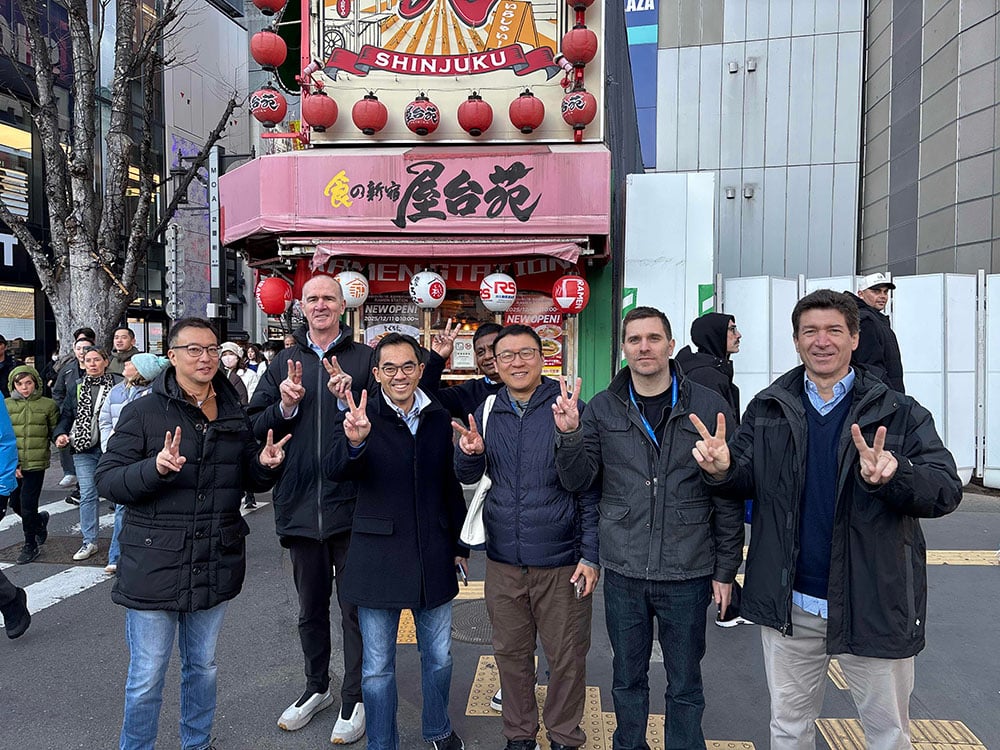
Second, attention spans have shortened. Events that used to run four hours now rarely need (or should) go longer than two. Participants get bored more easily than they did 15 or 20 years ago. Whether that’s technology, busier lives, or something else is debatable. What’s not debatable is that a good activity respects the reality of people’s attention and ends while energy is still high rather than after it has already drained.
The Optional Participation Trap
Another frequent mistake is making the team building activity optional. Companies are almost always surprised by the lower turnout. When people can opt out, many do, often because the description of the activity doesn’t sound appealing based on past experiences with forced fun.
We’ve consistently seen better results when participation is expected and the activity is designed so that everyone can actually take part on equal footing. With the right format, people who were reluctant beforehand frequently end up saying they had more fun than they expected. The preconception (“this is going to be awkward or boring”) is replaced by the reality of a shared experience that didn’t require special skills or personality types.
The Practical Takeaway
The most reliable team building events do a few things well:
- They avoid creating skill-based winners and losers.
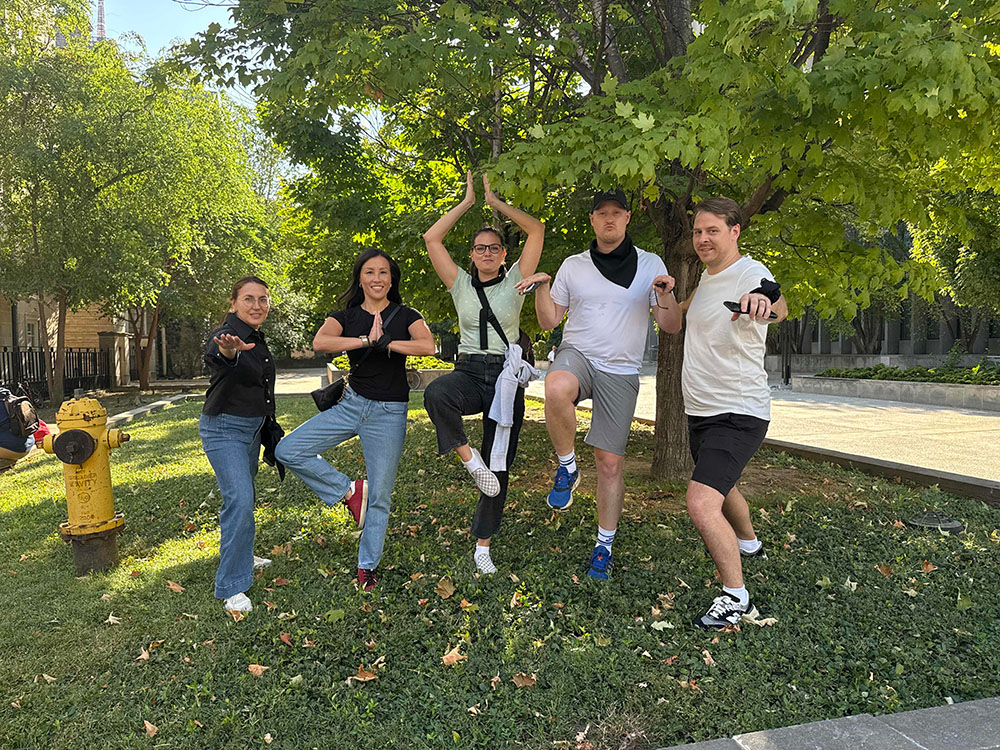
- They generate a shared experience people want to document.
- They prioritize connection and enjoyment over forced development.
- They respect shorter attention spans and end on a high note.
- They are structured so that participation feels natural rather than optional or high-pressure.
Not sure if the activity you’re considering will create the kind of shared experience you’re hoping for? Happy to talk it through.