

Why Employee Engagement Matters More Than Ever
Every company wants employees who are motivated, productive, and committed to their work. Yet many organizations struggle with disengagement, low morale, and employees who feel disconnected from their colleagues and the company’s mission.
Employee engagement has become one of the most important factors in organizational success. Engaged employees are more likely to contribute ideas, collaborate with coworkers, provide excellent customer service, and remain with their employer long-term.
While there are many ways to improve engagement, one of the most effective strategies is often overlooked: team building.
When done properly, team building doesn’t just create a fun afternoon away from the office. It helps employees develop stronger relationships, feel more connected to their organization, and become more invested in their work.
What Is Employee Engagement?
Employee engagement goes beyond simple job satisfaction.
An employee can be satisfied with their job while still feeling disconnected from their coworkers or uninspired by their work.
Engaged employees, on the other hand, are emotionally invested in their workplace. They care about their team’s success, actively participate in projects, and are motivated to contribute beyond the minimum expectations.
Organizations with high employee engagement often benefit from:
- Better teamwork
- Increased productivity
- Improved morale
- Stronger workplace culture
- Better employee retention
- Higher levels of innovation
The question then becomes: how do you create that engagement?
Relationships Drive Engagement
One of the strongest predictors of employee engagement is workplace relationships.
People don’t just work for companies.
They work with people.
Employees who have strong relationships with colleagues often feel a greater sense of belonging. They enjoy coming to work, feel supported during challenges, and are more likely to contribute to team success.
Unfortunately, building these relationships isn’t always easy.
Many employees spend their days focused on deadlines, meetings, and projects. Remote and hybrid work environments can make meaningful interactions even more difficult.
This is where team building can make a significant difference.
Team Building Creates Human Connections
In many workplaces, employees primarily interact in professional settings.
Meetings focus on objectives.
Emails focus on tasks.
Conversations focus on deadlines.
While these interactions are necessary, they rarely help people get to know one another on a personal level.
Team-building activities create opportunities for employees to interact differently.
When people solve challenges together, share experiences, and have fun together, barriers begin to disappear.
Employees start seeing coworkers as people rather than simply job titles or departments.
These relationships often transfer back into the workplace, creating stronger collaboration and communication.
Engaged Employees Feel Like They Belong
Psychologists have long recognized that a sense of belonging is a fundamental human need.
Employees who feel connected to their coworkers are more likely to feel connected to the organization as a whole.
Team building helps create this sense of belonging by bringing people together around shared experiences.
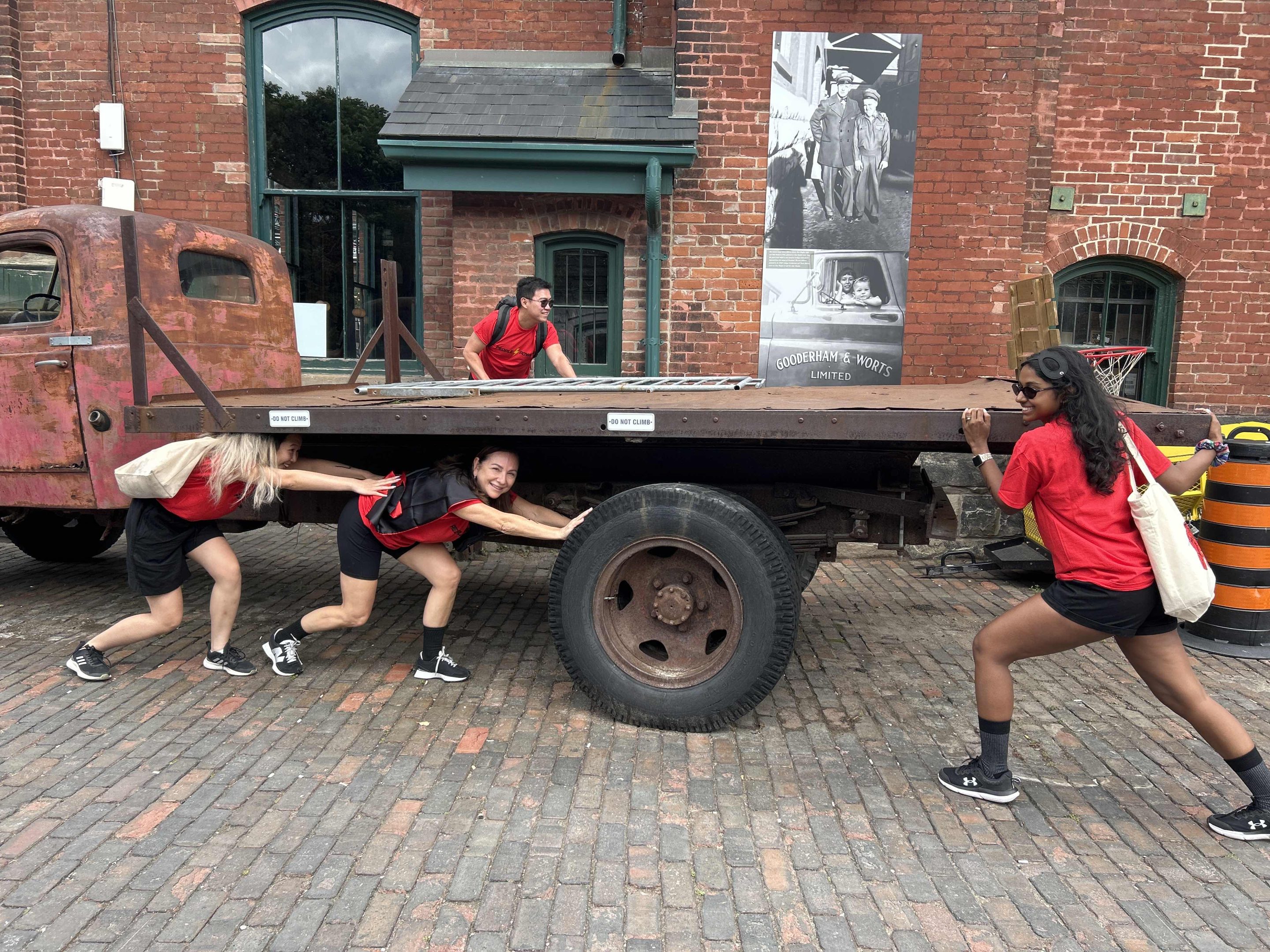
Whether participating in a scavenger hunt, solving challenges, or working toward a common goal, employees begin to see themselves as part of a team rather than individuals working independently.
This feeling of inclusion can have a significant impact on engagement levels.
Team Building Encourages Better Communication
Communication and engagement are closely connected.
Employees who communicate openly and effectively tend to feel more connected to their teams.
Team-building activities encourage communication in a relaxed environment where participants can share ideas, collaborate, and interact without the pressures of daily work responsibilities.
These positive communication experiences help strengthen workplace relationships and create greater trust among team members.
When employees trust one another, they are often more comfortable contributing ideas, asking questions, and participating in discussions.
Recognition and Achievement Boost Engagement
One reason team-building activities can be so effective is that they create opportunities for achievement.
Completing a challenge, solving a problem, or accomplishing a shared goal creates a sense of success.
Psychologically, these moments trigger positive emotions and reinforce feelings of accomplishment.
Employees enjoy working with teams that celebrate successes together.
These positive experiences can increase motivation and encourage greater participation back at work.

Why Scavenger Hunts Are Particularly Effective
While many team-building activities can improve engagement, scavenger hunts offer unique advantages.
They combine several important engagement drivers into a single experience:
Participation
Everyone contributes in some way.
Collaboration
Team members work toward a common objective.
Problem-Solving
Participants overcome challenges together.
Achievement
Teams experience a series of small victories throughout the event.
Fun
Enjoyment creates positive memories that employees associate with both their team and their organization.
Because scavenger hunts combine all of these elements, they often create higher levels of engagement than traditional team-building formats.
The Science Behind Team Building and Engagement
Research in workplace psychology consistently highlights several factors that increase employee engagement:
- Meaningful relationships
- Positive workplace experiences
- Recognition
- Social connection
- A sense of belonging
- Trust
Team-building activities help strengthen each of these factors.
By creating positive social experiences, organizations help employees form stronger connections with their colleagues.
These relationships contribute to a workplace environment where employees feel valued, supported, and motivated.
In many ways, effective team building serves as a catalyst for engagement by strengthening the human connections that drive workplace satisfaction.
Team Building for Remote and Hybrid Employees
Employee engagement can be particularly challenging in remote and hybrid environments.
Without regular face-to-face interaction, employees may feel isolated from their colleagues and disconnected from company culture.
Team-building activities help bridge these gaps.
Whether conducted virtually or in person, they create opportunities for employees to interact in ways that go beyond work tasks.
These interactions help maintain relationships and reinforce a sense of team identity, even when employees are geographically separated.
Long-Term Benefits of Engaged Employees
Organizations that consistently invest in employee engagement often see long-term benefits.
Engaged employees are more likely to:
- Stay with the organization
- Recommend the company to others
- Support coworkers
- Contribute innovative ideas
- Deliver higher-quality work
- Participate actively in company initiatives
Over time, these benefits contribute to stronger performance and a healthier workplace culture.
Conclusion
Employee engagement isn’t created through policies alone.
It’s created through relationships, trust, communication, and shared experiences.
Team building helps develop all of these factors by bringing employees together in meaningful ways.
Whether your team works in the same office, across multiple locations, or in a hybrid environment, investing in team-building experiences can strengthen workplace relationships and improve engagement.
After all, engaged employees aren’t just connected to their work.
They’re connected to the people they work with.
And that’s what great team building is all about.
Looking for a team-building activity that boosts employee engagement while creating lasting memories? Contact Scavenger Hunt Anywhere to learn how a customized scavenger hunt can help your team connect, collaborate, and thrive.