


The Question Every Event Planner Eventually Asks
When planning a team-building event, most organizers eventually ask the same question:
“Is this actually worth the money?”
It’s a fair question.
Whether you’re organizing an event for 20 employees or 500 conference attendees, budgets matter. Every dollar spent on team building is a dollar that could be invested elsewhere.
This is especially true when considering a scavenger hunt.
To some people, a scavenger hunt sounds like a game.
To others, it sounds like a fun afternoon away from the office.
The reality is that a well-designed corporate scavenger hunt can be much more than that.
The real question isn’t whether a scavenger hunt is fun.
The real question is whether the benefits justify the investment.
Let’s take an honest look.
What Are Companies Actually Paying For?
One common mistake is viewing a scavenger hunt purely as entertainment.
If your only goal is to keep employees occupied for a couple of hours, there are certainly less expensive options available.
However, most organizations invest in team-building activities for broader reasons:
- Improving communication
- Building relationships
- Encouraging collaboration
- Strengthening company culture
- Increasing employee engagement
- Creating networking opportunities
- Rewarding employees
When viewed through this lens, a scavenger hunt becomes more than an activity.
It becomes an opportunity to strengthen team dynamics and create meaningful connections.
The Hidden Cost of Poor Teamwork
Before evaluating whether a scavenger hunt is worth the investment, it’s helpful to consider the cost of poor teamwork.
Many workplace challenges stem from problems such as:
- Miscommunication
- Lack of trust
- Departmental silos
- Low employee morale
- Poor collaboration
Organizations spend significant amounts of time and resources addressing these issues.
Deadlines get missed.
Projects slow down.
Employees become frustrated.
Turnover increases.
While a single team-building event won’t solve every workplace challenge, creating opportunities for employees to connect and communicate can be a valuable step in the right direction.
What Makes Scavenger Hunts Different?
There are countless team-building activities available today.
Workshops teach concepts.
Presentations share information.
Networking events encourage conversation.
Scavenger hunts combine many of these objectives into a single experience.
Participants don’t just talk about teamwork.
They actively practice it.
Teams must:
- Solve problems together
- Share information
- Communicate effectively
- Make decisions
- Support one another
This creates a level of participation that many traditional activities struggle to achieve.

Employees Actually Enjoy Them
Let’s be honest.
One of the biggest challenges with corporate team building is participation.
Many employees hear the words “team-building activity” and immediately imagine awkward icebreakers or forced interaction.
Scavenger hunts tend to generate a different reaction.
Because the activity feels more like an adventure than a training session, participants often become engaged very quickly.
Employees enjoy:
- Friendly competition
- Solving clues
- Completing challenges
- Exploring new locations
- Working as a team
The more employees enjoy the experience, the more likely they are to participate fully.
And participation is where most of the benefits occur.
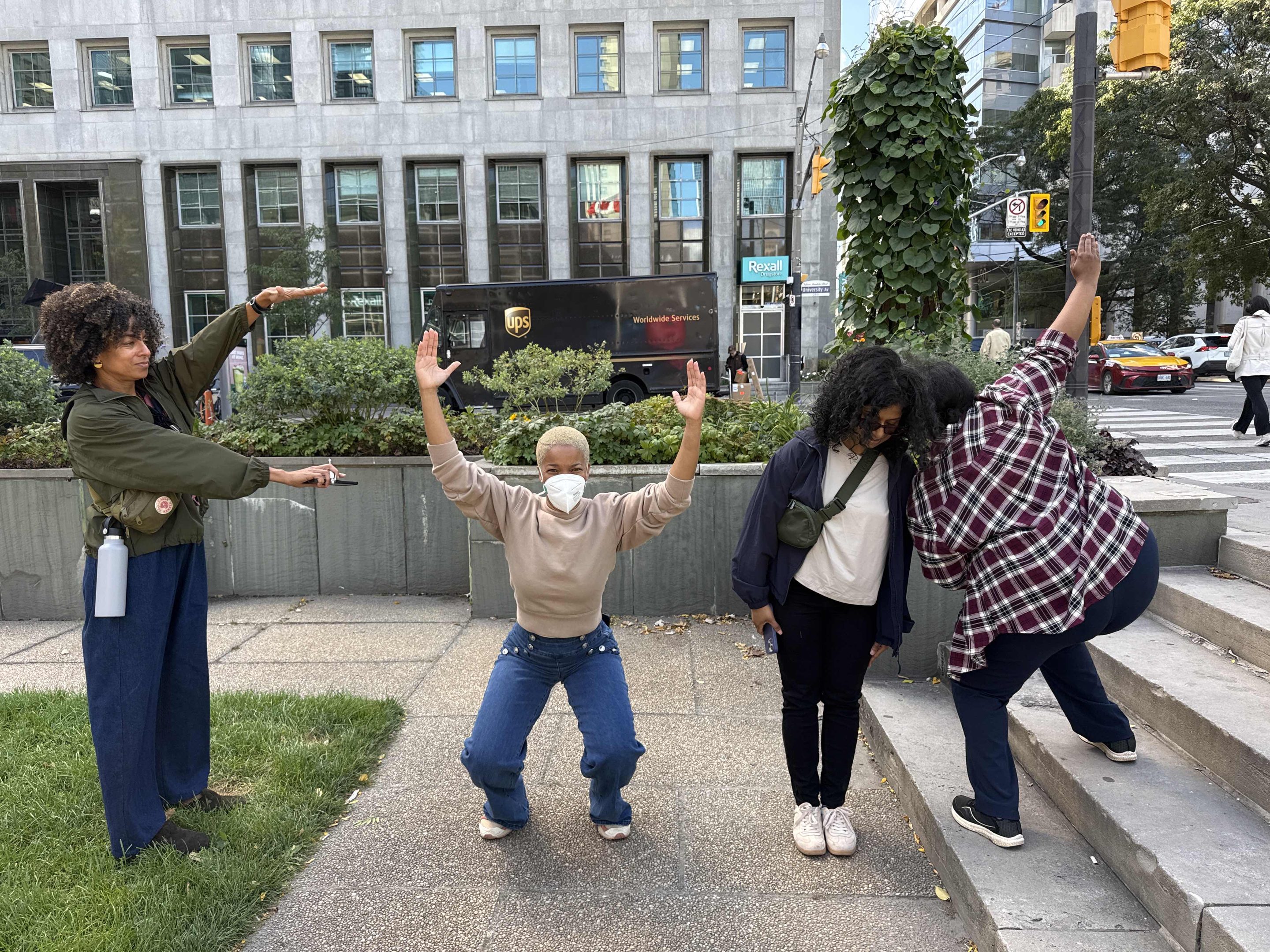
The Science Suggests Shared Experiences Matter
Research in psychology consistently shows that people develop stronger relationships through shared experiences.
This is one reason many employees feel closer to colleagues after working together on a challenging project.
Shared experiences create memories.
They build trust.
They provide common ground for future interactions.
A scavenger hunt creates dozens of these moments.
Every clue solved.
Every challenge completed.
Every unexpected obstacle overcome.
These experiences help strengthen relationships in a way that emails and meetings typically cannot.

Measuring the Return on Investment
Not every business investment can be measured purely in dollars and cents.
You probably wouldn’t ask:
“What’s the ROI of having employees trust one another?”
Or:
“What’s the ROI of improving morale?”
Yet most leaders recognize that these factors directly influence workplace performance.
The same is true for team building.
Some benefits are measurable:
- Improved participation
- Better employee feedback
- Increased event attendance
Others are less tangible:
- Stronger relationships
- Improved team cohesion
- Better communication
- Increased trust
While these outcomes may be difficult to quantify, they often contribute significantly to long-term organizational success.
When a Scavenger Hunt May Not Be the Right Fit
An honest evaluation should acknowledge that scavenger hunts aren’t perfect for every situation.
For example, if your primary goal is delivering technical training or teaching complex job-specific skills, a workshop or course may be more appropriate.
Likewise, if employees are expecting a formal educational session, a scavenger hunt may not align with those expectations.
The best team-building activities are those that match the organization’s objectives.
Scavenger hunts excel when the goal is connection, engagement, communication, collaboration, or relationship-building.
Why Organizations Continue to Choose Scavenger Hunts
After more than 20 years of organizing corporate events around the world, we’ve seen organizations return to scavenger hunts for several reasons:
They are highly engaging.
They accommodate different personalities.
They encourage communication.
They create memorable experiences.
They scale well for different group sizes.
And perhaps most importantly, people genuinely enjoy them.
This combination is rare.
Many activities are effective but not enjoyable.
Others are entertaining but lack meaningful outcomes.
Scavenger hunts often succeed because they deliver both.
So, Are Scavenger Hunts Worth It?
For organizations looking to strengthen relationships, improve communication, increase employee engagement, and create memorable experiences, the answer is yes.
A scavenger hunt won’t magically solve every workplace challenge.
No team-building activity can.
But when designed thoughtfully, it can help employees connect, collaborate, and communicate in ways that benefit both the individuals involved and the organization as a whole.
That’s why companies around the world continue to include scavenger hunts as part of their employee engagement, conference, and team-building strategies.
The value isn’t just in the activity itself.
It’s in the conversations, relationships, and shared experiences that continue long after the event is over.
Curious whether a scavenger hunt is right for your team? Contact Scavenger Hunt Anywhere to discuss your goals, group size, and objectives, and we’ll help you determine whether a scavenger hunt is the best fit for your next event.