


The Best Team Building Activity Isn’t Always the Most Popular One
When planning a team-building event, it’s easy to get overwhelmed by the number of options available.
A quick search will reveal hundreds of possibilities:
- Escape rooms
- Scavenger hunts
- Trivia competitions
- Volunteer projects
- Cooking classes
- Bowling events
- Workshops
- Outdoor adventures
The challenge isn’t finding an activity.
The challenge is finding the right activity for your specific team.
An activity that works perfectly for a group of 20 sales representatives may not be ideal for a leadership team of 150 conference attendees. Likewise, an event that energizes extroverts might make other participants uncomfortable.
Before booking any activity, it’s important to understand what you’re trying to achieve.
Start With Your Objective
One of the biggest mistakes organizations make is choosing an activity before defining their goal.
Ask yourself:
What do we want this event to accomplish?
Common objectives include:
Improving Communication
If communication is your primary goal, look for activities that require participants to collaborate and exchange information.
Activities like scavenger hunts, team challenges, and escape rooms naturally encourage communication because success depends on sharing ideas and working together.
Building Relationships
If team members rarely interact, focus on activities that create opportunities for conversation and shared experiences.
The best relationship-building activities encourage employees to engage naturally rather than forcing interactions.
Celebrating Success
Sometimes the goal isn’t development.
Sometimes it’s simply rewarding employees for their hard work.
In this case, the activity should focus on enjoyment, recognition, and creating positive memories.
Breaking Down Silos
Many organizations struggle with collaboration between departments.
If this is your objective, choose an activity that mixes participants from different teams and encourages cooperation.
Understanding your goal will immediately eliminate many activities that aren’t a good fit.
Consider Your Team Size
Not every activity works well for every group size.
An escape room may be perfect for a team of 10 people but difficult to scale for 200 attendees.
Similarly, some activities that work for large groups may feel impersonal in smaller settings.
As a general rule:
Small Groups (10–30 Participants)
Smaller groups can enjoy more intimate experiences with higher levels of interaction.
Popular options include:
- Escape rooms
- Interactive workshops
- Small scavenger hunts
- Cooking experiences
Medium Groups (30–100 Participants)
Activities should encourage participation while remaining easy to manage.
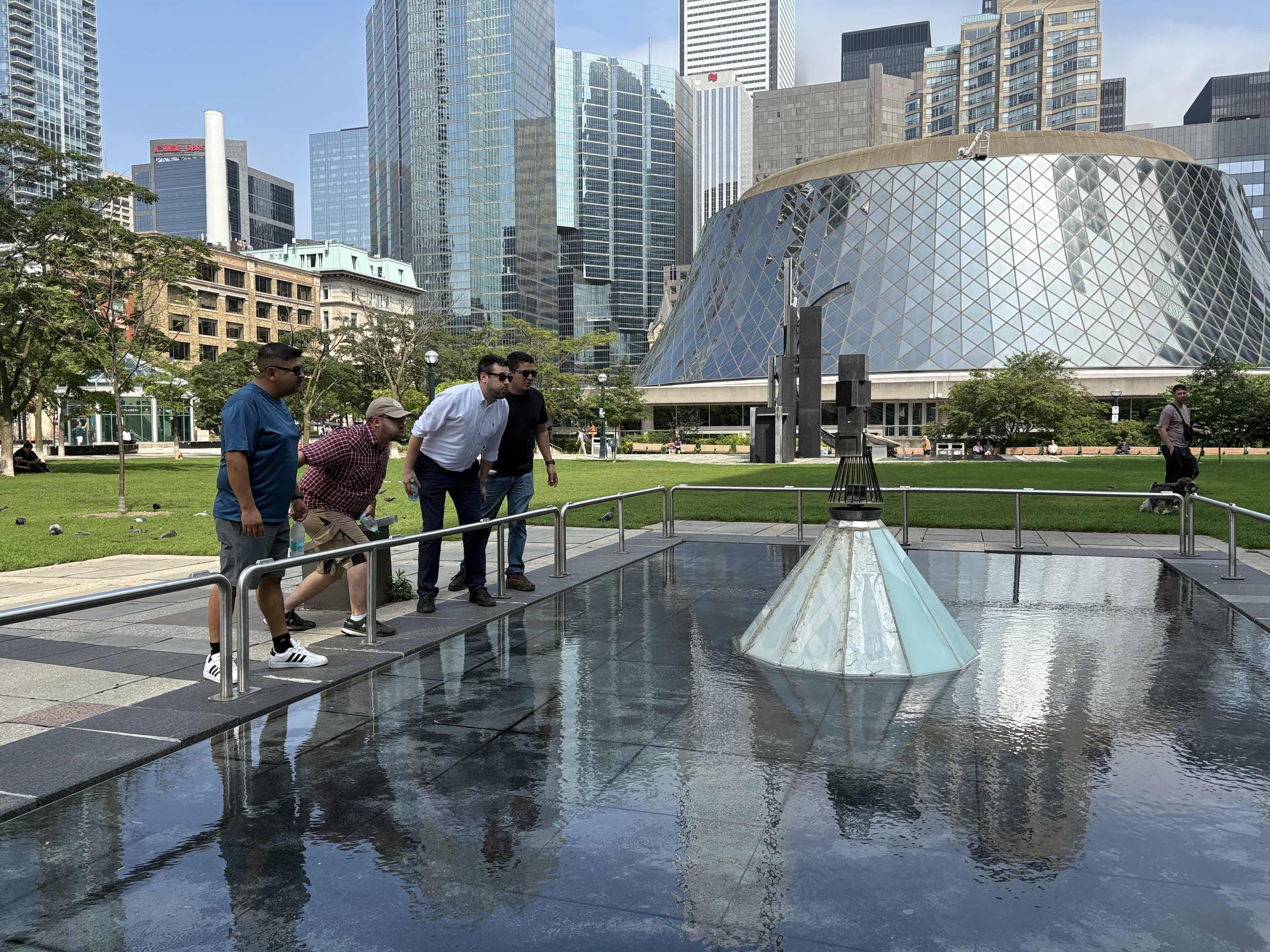
Scavenger hunts often work particularly well because teams can be divided into smaller groups.
Large Groups (100+ Participants)
Large events require activities that can scale efficiently.
This is one reason scavenger hunts are frequently used for conferences, sales meetings, and company-wide events.
They can accommodate hundreds of participants without sacrificing engagement.
Know Your Audience
A common reason team-building events fail is that organizers choose activities based on what they personally enjoy rather than what their employees will enjoy.
Consider your audience carefully.
Questions to ask include:
- Is the group highly competitive?
- Are participants physically active?
- Do employees know one another well?
- Are attendees from different departments?
- Are there a mix of personality types?
The more diverse your audience, the more important it becomes to select an activity that appeals to a wide range of participants.
Think About Inclusion
Great team-building activities make everyone feel involved.
Unfortunately, some activities naturally favor certain groups over others.
For example:
- Athletic competitions may discourage less active participants.
- Trivia contests can favor participants with specialized knowledge.
- Networking events often favor highly extroverted personalities.
Look for activities that allow people to contribute in different ways.
The most inclusive activities reward creativity, communication, observation, leadership, and problem-solving equally.
This allows every participant to feel like a valuable contributor.
Consider Your Budget
Budget plays an important role in every event decision.
However, it’s important to think beyond the upfront cost.
The cheapest activity is not always the best value.
Instead, ask:
- Will employees participate?
- Will they remember the experience?
- Does it support our objectives?
- Will it strengthen relationships?
A successful team-building event creates benefits that continue long after the activity ends.
When evaluating options, consider both cost and impact.
Why Scavenger Hunts Check So Many Boxes
When evaluating team-building options, many organizers ultimately choose scavenger hunts because they address multiple objectives simultaneously.
A scavenger hunt can:
- Improve communication
- Strengthen collaboration
- Encourage creativity
- Build relationships
- Include diverse personality types
- Scale for different group sizes
- Create memorable experiences
From an event-planning perspective, this versatility makes scavenger hunts one of the most effective team-building solutions available.

Questions to Ask Before Booking Any Team Building Activity
Before making a final decision, ask yourself:
✅ What is our primary goal?
✅ How many people are participating?
✅ What is our budget?
✅ What type of personalities are attending?
✅ Do we want competition, collaboration, or both?
✅ Will everyone be able to participate comfortably?
✅ Is the activity memorable?
✅ Will employees still be talking about it next month?
The answers to these questions will help guide you toward the activity that’s right for your team.
Final Thoughts
There is no universal “best” team-building activity.
The right choice depends on your objectives, audience, budget, and organizational culture.
The most successful events aren’t necessarily the most expensive or elaborate. They’re the ones that create meaningful interactions, strengthen relationships, and help employees feel more connected to one another.
By focusing on your goals first and selecting an activity that aligns with those goals, you’ll be far more likely to deliver an event that employees enjoy and remember.
And when people remember an experience, they’re much more likely to remember the connections they made along the way.
Looking for a team-building activity that can be customized for your group size, goals, and budget? Contact Scavenger Hunt Anywhere to explore corporate scavenger hunts in locations around the world.